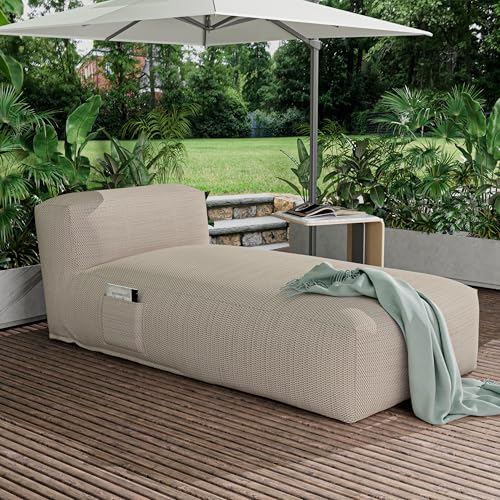
What Is an Outdoor Bean Bag Sofa?
A bean bag sofa outdoor is a large, frameless lounge seat filled with lightweight beads (usually expanded polystyrene, or EPS) and covered in a fabric engineered to survive sun, rain, and humidity. Unlike indoor bean bags, an outdoor version uses UV-resistant, water-repellent, or waterproof covers, plus rust-proof zippers and double-stitched seams. Some models are shaped like a classic teardrop chair, while others are wide enough to seat two people — effectively a sofa without a frame.
The appeal is simple: a bean bag sofa outdoor offers lounge-level comfort at a fraction of the cost of a framed patio sofa outdoor, and it can be repositioned instantly. If you have limited space, a bean bag also doubles as a floor sofa that stores in a corner when not in use.
Bean Bag Sofa vs. Traditional Outdoor Sofa
Both options have a place on a patio. The right choice depends on how you use the space and how much maintenance you're willing to accept.
| Feature | Outdoor Bean Bag Sofa | Traditional Framed Outdoor Sofa |
|---|---|---|
| Comfort style | Soft, sink-in, low seating | Structured, upright seating |
| Portability | Excellent — drag or carry | Low — heavy and bulky |
| Assembly | None required | Often required |
| Typical price | $80–$400 | $400–$2,500+ |
| Storage | Small footprint when emptied or covered | Large permanent footprint |
| Best for | Casual lounging, small patios, teens, poolside | Formal seating, entertaining, long-term durability |
If you need a formal seating arrangement for guests, a framed outdoor sectional sofa is still the better anchor. But for a hammock-like reading spot, a kids' corner, or a flexible extra seat, the bean bag sofa outdoor wins on comfort-per-dollar.
Fabric Options: The Most Important Decision
The cover determines whether your bean bag survives a single season or lasts five years. Here are the fabrics you'll encounter, ranked by outdoor suitability.
1. Solution-Dyed Acrylic (Best Overall)
Solution-dyed acrylic is the gold standard for outdoor upholstery. The pigment is added to the fiber before it's spun, so color won't wash out under UV light. It resists mildew, dries quickly, and feels soft against skin. Expect to pay a premium, but it's the longest-lasting choice for a bean bag sofa outdoor that stays outside permanently.
2. Olefin / Polypropylene (Best Value)
Olefin is a synthetic fiber that's naturally water-resistant, colorfast, and resistant to mold. It feels slightly less plush than acrylic but costs significantly less. For a bean bag that gets moved indoors during heavy rain, olefin is a smart, budget-friendly pick.
3. Solution-Dyed Polyester
Polyester treated with UV stabilizers and a water-repellent finish sits between olefin and acrylic. It's durable and easy to clean, though it can fade faster than acrylic in intense sun. Look for "solution-dyed" or "dope-dyed" on the label — it beats surface-dyed fabric by a wide margin.
4. Marine-Grade Vinyl (Best for Poolside)
If your bean bag lives beside a pool, vinyl is the easiest to wipe down and the most water-resistant. It's less breathable in hot weather, so it can feel sticky against skin, but nothing beats it for splash zones. Pair it with a cushion set or a soft throw for comfort.
5. Cotton or Canvas (Indoor Use Only)
Standard cotton and untreated canvas absorb water, grow mildew, and fade quickly. Avoid these for permanent outdoor use unless you plan to bring the bean bag in after every use.
Filling: EPS Beads, Shredded Foam, or Air?
The filling determines how the bean bag feels and how it holds its shape.
- Expanded Polystyrene (EPS) beads: The classic filling. Lightweight, moldable, and inexpensive. Quality beans are virgin (not recycled) and sized uniformly for consistent support. They compress over time, so expect to top up every 1–2 years.
- Shredded memory foam: Heavier and denser than EPS, giving a more "sofa-like" feel. It doesn't shift as much, which is great for a two-person bean bag sofa outdoor. It's also quieter and won't create that plastic-bead rustle.
- Air-filled: Inflatable options like an inflatable sofa outdoor are the most portable and pack flat, but they puncture, lose pressure, and feel less stable. Best as a temporary or travel solution.
For a permanent patio seat, shredded foam or high-quality EPS gives the best balance of comfort and durability. If you want a firmer, more supportive seat, look at a filled outdoor air sofa alternative only as a secondary option.
Sizing: How Big Should Your Bean Bag Sofa Be?
Bean bag sofas range from single-seat chairs to oversized loungers that fit two adults. Use this rough guide:
| Size | Dimensions (approx.) | Seats | Best For |
|---|---|---|---|
| Small / Kids | 30" x 30" | 1 child | Play areas, balconies |
| Standard | 40" x 40" | 1 adult | Reading nooks, poolside |
| Large | 50" x 50" | 1–2 adults | Patio lounging |
| Oversized / Sofa | 60" x 60" or larger | 2 adults | Family patios, movie nights |
Measure your space before ordering. A large bean bag sofa outdoor needs roughly 5 feet of clearance on all sides so it can be fluffed and rotated. If your patio is tight, a corner sofa for small spaces may fit better than an oversized bean bag.
Weatherproofing Features to Look For
Not every "outdoor" bean bag is truly weatherproof. Check for these features before buying:
- UV-resistant fabric: Prevents fading and fiber breakdown. Solution-dyed fabrics are the most reliable.
- Water-repellent or waterproof coating: Look for a DWR (durable water repellent) finish or a fully waterproof membrane.
- Mildew-resistant lining: An inner liner keeps moisture away from the beads.
- Double-stitched seams: Reduces the chance of blowouts under weight.
- Rust-proof zipper: Nylon or plastic zippers outperform metal outdoors.
- Drainage grommets: Some covers include small vents so water can escape rather than pool.
Even with a weatherproof cover, a bean bag sofa outdoor benefits from a protective cover during storms and off-season storage. This single habit can double the life of the product.
How to Choose the Right Bean Bag Sofa for Your Space
Match the bean bag to how and where you'll use it.
- Poolside: Choose vinyl or solution-dyed acrylic, and avoid light colors that show sunscreen stains. A waterproof cover is essential.
- Covered patio: You have the most flexibility. Olefin or polyester bean bags work well and cost less.
- Open lawn or deck: Prioritize UV resistance and drainage. Bring the bean bag inside during long rainy periods.
- Small balcony: A standard or large bean bag replaces a bulky sofa and stores in a closet. See our outdoor sofa space planning guide for layout ideas.
- Family with kids: Shredded foam filling is quieter and less messy than EPS beads if the cover ever tears.
Care and Maintenance
Bean bag sofas are low-maintenance, but a few habits keep them fresh:
- Vacuum or brush the cover monthly to remove pollen and dust.
- Spot-clean with mild soap and water. Avoid bleach unless the fabric allows it.
- Air-dry thoroughly before replacing the filling — never store a damp bean bag.
- Fluff and rotate the bag weekly to redistribute beads and prevent flat spots.
- Top up EPS beads every 1–2 years, or add shredded foam if the bag feels deflated.
- Store indoors or under a cover during winter and heavy rain seasons.
For deeper cleaning routines, our outdoor sofa care and maintenance hub covers fabric-specific methods that also apply to bean bags.
Styling a Bean Bag Sofa on Your Patio
A bean bag doesn't have to look casual or cheap. A few styling moves make it feel intentional:
- Anchor it with a weatherproof outdoor rug to define the lounge zone.
- Add a small side table for drinks and a book.
- Layer a throw blanket over the bean bag for color and warmth on cool evenings.
- Pair two bean bags with a sofa set with table for a conversational cluster.
- Choose a color that contrasts with your patio floor — a grey outdoor sofa palette pairs well with bright bean bags.
If you want a more polished look, consider a modern outdoor sofa as the centerpiece and use bean bags as flexible secondary seating.
Common Buying Mistakes to Avoid
- Buying an indoor bean bag for outdoor use. It will fade, mold, and split within months.
- Ignoring the filling type. Cheap recycled beads flatten fast and feel lumpy.
- Choosing the wrong size. Oversized bean bags overwhelm small patios; undersized ones feel cramped.
- Skipping the cover. A $30 cover protects a $200 purchase. Always buy one.
- Not checking the zipper. A flimsy zipper is the first thing to fail.
- Leaving it out in winter. Even "all-weather" bean bags last longer when stored dry.
For a broader list of pitfalls, see our guide to outdoor sofa buying mistakes.
Price Guide: What to Expect
Outdoor bean bag sofas span a wide range. Here's what your budget buys:
- $80–$150: Basic single-seat bean bags with olefin or polyester covers. Fine for occasional use.
- $150–$300: Larger bean bags, better fabric, shredded foam filling. The sweet spot for most buyers.
- $300–$500: Oversized two-person bean bag sofas with solution-dyed acrylic covers and premium filling.
- $500+: Designer or luxury bean bag sofas with marine-grade materials and warranty support.
If you're comparing against framed furniture, a cheap outdoor sofa can sometimes cost less than a premium bean bag — but it won't match the bean bag's comfort or portability.