
Summer Sofa Cooling Tips: Keep Your Outdoor Sofa Cool & Comfortable
Discover expert strategies to beat the heat and enjoy your outdoor sofa all summer long — from breathable fabrics to smart shade solutions.
Summer is the season when your outdoor sofa truly earns its keep. Long evenings, lazy afternoons, and spontaneous gatherings all revolve around this piece of furniture. But there's a catch: when temperatures soar, sitting on an outdoor sofa can quickly turn from pleasant to unbearable. Hot cushions, sticky fabrics, and sun-baked frames can make even the most beautiful outdoor sofa types uncomfortable during peak heat.
Whether you own a wicker outdoor sofa, a sleek aluminum frame model, or a classic teak wood sofa, the principles of summer cooling remain surprisingly consistent. The goal is to reduce heat absorption, improve airflow, and minimize the amount of direct sunlight your seating receives. This guide walks you through every practical step — from pre-summer preparation to daily habits that keep your sofa cool and inviting.
By the end, you'll understand not just what to do, but why each tip works. That knowledge helps you make smarter decisions when it's time to refresh your patio setup or invest in new pieces from our shopping and reviews hub.
Quick Tip: The single most effective cooling measure is shade. A sofa that sits in direct sun can be 20–30°F hotter than one under a pergola, umbrella, or awning. Everything else is secondary to blocking that solar radiation.
Why Outdoor Sofas Get So Hot in Summer
Before diving into solutions, it helps to understand the problem. Outdoor sofas absorb heat through three main pathways:
- Solar radiation: Dark-colored fabrics, metal frames, and even some wood finishes absorb sunlight and re-radiate it as heat.
- Poor airflow: Cushions that sit flush against frames or walls trap hot air underneath, creating a "heat pocket" that warms the entire seating surface.
- Material conductivity: Metal frames, in particular, conduct heat rapidly. A wrought iron outdoor sofa can become painfully hot to the touch after just an hour in direct sun.
The type of fabric on your cushions also plays a major role. Dense, non-breathable fabrics hold heat, while open-weave or solution-dyed fabrics tend to stay cooler. Similarly, the cushion insert material matters — quick-dry foam disperses heat better than traditional dense foam.
Shade Strategies: The First Line of Defense
If you do only one thing to cool your outdoor sofa, make it shade. Here are the most effective approaches:
1. Position Your Sofa Strategically
Before buying a single accessory, evaluate where your sofa sits. In the Northern Hemisphere, the harshest sun hits south- and west-facing areas from late morning through late afternoon. If possible, reposition your sofa so it faces east (morning sun only) or place it under a natural tree canopy. This ties directly into smart outdoor sofa space planning — sun exposure is as important as traffic flow.
2. Use a Pergola, Awning, or Umbrella
A pergola with adjustable louvers gives you control over how much sun reaches your seating. A retractable awning offers similar flexibility. For smaller spaces, a cantilever umbrella is ideal because it doesn't require a center pole that might interfere with your ottoman pairing or side table arrangement.
3. Consider a Shade Sail
Shade sails are affordable, modern-looking, and highly effective. They block 80–95% of UV rays and can reduce the ambient temperature beneath them by several degrees. They work especially well over curved outdoor sectionals or large U-shaped patio sectionals where a single umbrella can't cover the whole area.
4. Plant Strategically
Deciduous trees are nature's own cooling system — they provide dense shade in summer and let light through in winter. If planting isn't an option, tall potted plants or a green screen can provide partial shade and also improve the microclimate around your sofa.
Fabric and Cushion Choices That Stay Cool
If you're in the market for new cushions — or planning to replace worn ones — fabric selection is your biggest lever for summer comfort.
| Fabric Type | Breathability | Heat Retention | Best For |
|---|---|---|---|
| Olefin | High | Low | Humid, hot climates |
| Solution-Dyed Acrylic | Medium-High | Low-Medium | Sunny, dry climates |
| Polyester | Medium | Medium | Budget-friendly setups |
| PVC-Coated Mesh | Very High | Very Low | Poolside & coastal areas |
As the table shows, olefin outdoor sofa fabric and acrylic outdoor sofa fabric are excellent choices for summer. Both are inherently resistant to UV damage and moisture, and they dry quickly after rain or splashes. For the absolute coolest option, consider mesh or sling-style seating — it allows air to circulate directly beneath you.
Cushion Inserts Matter Too
A quick-dry outdoor sofa foam insert is a game-changer in summer. These open-cell foams allow air and water to pass through, which means they don't trap heat the way traditional closed-cell foam does. If your current cushions use dense foam, consider upgrading the inserts — it's often cheaper than replacing the entire cushion and makes a noticeable difference.
Also think about cushion thickness. Very thick cushions may feel luxurious, but they insulate better and therefore retain more body heat. A medium-thickness cushion with a breathable cover often feels cooler.
Frame Materials: Which Ones Stay Coolest?
Your sofa's frame material has a significant impact on how hot the seating area becomes. Here's how the most common materials compare:
- Aluminum: Lightweight and rust-proof, but it conducts heat quickly. An aluminum outdoor sofa frame in direct sun can become hot to the touch. However, it also cools down fast once shaded.
- Teak and Acacia Wood: Wood is a natural insulator, so it doesn't get as hot as metal. A teak wood outdoor sofa or acacia wood outdoor sofa stays relatively comfortable even in direct sun, though the surface can still warm up.
- Wicker and Rattan: These materials are excellent for summer because they're naturally breathable. A wicker and rattan outdoor sofa allows air to flow through the weave, and the material itself doesn't retain much heat.
- Wrought Iron and Steel: These are the hottest options. A wrought iron outdoor sofa or steel-framed sofa can become genuinely painful to touch after sun exposure. If you own one, shade is non-negotiable.
If you're shopping for a new sofa and summer comfort is a priority, wicker, rattan, or wood frames are your best bets. For metal frames, look for powder-coated finishes, which reduce heat absorption slightly compared to bare metal.
Don't overlook the outdoor sofa frame guide for a deeper dive into construction quality, and the outdoor sofa leg guide if you're considering raising your sofa for better airflow underneath.
Accessories That Actively Cool Your Sofa
Beyond shade and fabric, a few well-chosen accessories can make a real difference:
Breathable Seat Pads and Covers
A lightweight, breathable seat pad made from cotton or a technical mesh fabric can be placed over your existing cushions. It wicks moisture, allows airflow, and is easy to wash. This is a simple, low-cost way to make an existing sofa feel cooler without replacing cushions.
Cooling Gel Inserts
Some manufacturers now offer cooling gel inserts that fit inside cushion covers. These phase-change materials absorb body heat and help regulate temperature. They're particularly useful for people who tend to overheat easily.
Portable Fans and Misting Systems
A battery-powered portable fan placed near your sofa can dramatically improve comfort. Even a gentle breeze helps sweat evaporate, which is how the body cools itself. For a more luxurious setup, a misting system attached to a pergola or umbrella can lower the surrounding air temperature by 10–20°F.
Reflective Cushion Covers
Light-colored cushion covers reflect sunlight rather than absorbing it. If your cushions are dark, consider swapping to white, cream, or light gray covers for the summer months. This simple change can reduce surface temperature significantly.
Elevate Your Sofa
If your sofa sits directly on the ground or a solid deck, raising it slightly improves airflow underneath. This is where the outdoor sofa glide guide becomes useful — glides not only protect your deck but also create a small air gap. Similarly, ensuring your sofa legs are in good condition and properly installed helps with stability and airflow.
Daily Habits That Keep Your Sofa Cool
Small routines make a big difference over the course of a summer:
- Wet down the area: A quick spray of water on the patio surface around your sofa can lower the ambient temperature through evaporation. Just avoid soaking the cushions themselves unless they're designed for it.
- Use a damp towel: Placing a damp (not soaking) towel over the seat before you sit down can provide instant cooling. This works especially well with quick-dry foam inserts.
- Rotate cushions: If one side of your sofa gets more sun, rotate the cushions regularly so they wear and heat evenly.
- Store cushions when not in use: If you're not going to use the sofa for a few hours, bring cushions inside or into a shaded storage box. This prevents them from baking in the sun.
- Choose the right time: The coolest times to use your outdoor sofa are early morning and after sunset. Planning gatherings around these windows is the simplest cooling tip of all.
For a broader maintenance routine that complements these summer-specific habits, see the outdoor sofa routine upkeep guide.
Summer-Specific Maintenance
Heat and sun accelerate wear. A little preventive care goes a long way:
- Clean cushions more often: Sunscreen, sweat, and dust accumulate faster in summer. Follow the sofa cushion stain removal guide for safe cleaning methods.
- Check for mold: Humid heat creates ideal conditions for mold. If you notice any musty smells or spots, act quickly using the outdoor sofa mold prevention guide.
- Protect metal frames: If you have a metal sofa, inspect for rust and treat any spots early. The rust removal for outdoor sofa guide covers this in detail.
- Use covers wisely: A waterproof outdoor sofa cover protects against rain, but during a heatwave, a cover can actually trap heat and moisture. On hot, dry days, leave the sofa uncovered to allow airflow, or use a breathable cover.
Recommended Products for Summer Sofa Comfort
Below is a curated selection of outdoor sofas and accessories that are particularly well-suited for hot summer climates. These products prioritize breathability, quick-drying materials, and heat-resistant construction.
Best Outdoor Sofas & Accessories for Summer Cooling
⚠️ AFFILIATE DISCLOSURE: This website contains affiliate links. As an affiliate Associate, we earn from qualifying purchases. If you make a purchase through these links, we may receive a small commission at no additional cost to you. Read our full affiliate policy.

OTOB Cooling Couch Covers for Sofa Washable Non Slip Pet Friendly, 1 Piece | Luxury Cream, 35.4"x82.7", Premium Ice Silk Fabric, Modern Geometric, Soft, 3D Bionic Breathable, Sectional Sofa Protector
Check price on Amazon
OTOB Cooling Couch Covers for Sofa Washable Non Slip Pet Friendly, 1 Piece | Luxury Cream, 35.4"x82.7", Premium Ice Silk Fabric, Modern Geometric, Soft, 3D Bionic Breathable, Sectional Sofa Protector
Check price on Amazon
Summer New Cooling Ice Doug Couch Cover,Upgrade Honeycomb Anti-slip Sofa Cover,3D Structure Breathable Cool Couch Covers,1 Piece Smooth Washable Sofa Cover for Sleeping Naked,Blue-35"x47"/90x120cm
Check price on Amazon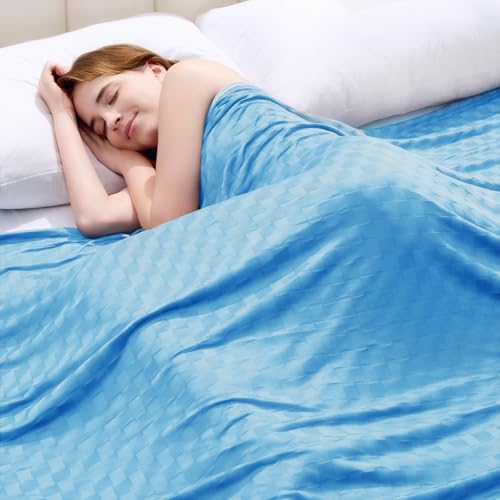
Topcee Cooling Blanket 50"x70" for Hot Sleepers Summer Cold Blanket | Absorbs Heat to Keeps Cool for Night Sweats Q-Max >0.45 Soft Lightweight Breathable Sofa Blanket for Menopausal
Check price on Amazon
OTOB Cooling Couch Cover for Dogs Washable Non Slip Sofa Protector, 1 Piece | Luxury Cream, 35.4"x70.9", Premium Ice Silk Fabric, Modern Geometric, Soft, 3D Breathable, Pet Friendly Furniture Cover
Check price on Amazon
Cozy Bliss Cooling Blanket for Hot Sleepers King Size, Q-Max 0.45 Cooling Comfort, Cold Blankets for Night Sweats Sleeping, Ultra-Cool Lightweight Breathable Summer Blanket for Bed, Cool Blue
Check price on Amazon
Cooling Comforter for Hot Sleepers Summer Blanket, Twin 68"x90" Gray Blue | Cooling Blanket, Q-Max 0.4 Cool Touch, Dual-Sided Cool Summer Comforter for Night Sweats, Silky-Soft Lightweight & Breathable
Check price on Amazon
Cooling Comforter for Hot Sleepers Summer Blanket, Queen 90"x90" Dark Blue | Cooling Blanket, Q-Max 0.4 Cool Touch, Dual-Sided Cool Summer Comforter for night sweats, Silky-Soft Lightweight & Breathable
Check price on AmazonFrequently Asked Questions
How can I cool down my outdoor sofa quickly?
The fastest method is to move it into shade and wipe down the surface with a damp cloth. If the cushions are removable, take them inside for 10–15 minutes. A portable fan aimed at the seating area also helps immediately.
What is the coolest outdoor sofa fabric?
Olefin and mesh-style fabrics are generally the coolest because they're highly breathable and don't retain heat. Light-colored solution-dyed acrylic is also a strong choice.
Do outdoor sofa covers make the sofa hotter?
Yes, if they're dark and non-breathable. A cover traps heat underneath. On hot, dry days, it's better to leave the sofa uncovered or use a light-colored, breathable cover.
Is a metal outdoor sofa a bad choice for hot climates?
Not necessarily — but it requires more shade. Metal conducts heat, so a metal outdoor sofa in direct sun will be hotter than wood or wicker. With proper shade, it can still be comfortable.
How do I stop cushions from getting too hot?
Upgrade to quick-dry foam inserts, switch to light-colored breathable covers, and store cushions in the shade when not in use. A breathable seat pad on top of existing cushions also helps.
Can I use cooling gel pads on an outdoor sofa?
Yes, cooling gel inserts are available for outdoor use. Look for ones designed specifically for patio furniture, as they're built to withstand temperature fluctuations and moisture.
Final Thoughts
Keeping your outdoor sofa cool in summer isn't about any single trick — it's about combining smart shade, breathable materials, and simple daily habits. Start with shade, since it delivers the biggest improvement for the least effort. Then, as your budget and needs allow, upgrade fabrics and cushion inserts to materials that are designed for heat.
Whether you're working with an existing sofa or planning a new purchase, the principles in this guide apply. For a complete overview of how to evaluate a sofa before buying, the first outdoor sofa checklist is a great next step. And if you're still deciding on a style, browse the full range of outdoor sofa types to find the one that fits your space and climate best.
With the right setup, your outdoor sofa can be a cool, comfortable retreat all summer long — not a hot seat you avoid until evening.