
Outdoor Sofa Garage Storage Guide
Protect your outdoor sofa during the off-season with our comprehensive garage storage guide. Learn the best practices for cleaning, prepping, and storing your patio furniture safely.
LEARN THE STEPSWhy Garage Storage Matters: Your outdoor sofa is an investment that deserves protection during harsh weather, winter months, or extended periods of non-use. Proper garage storage prevents moisture damage, pest infestation, mold growth, and UV degradation — extending the life of your furniture and saving you money on replacements.
Why Store Your Outdoor Sofa in the Garage?
When the outdoor season ends, your patio sofa faces threats from rain, snow, freezing temperatures, and UV exposure. While high-quality outdoor furniture is built to withstand the elements, extended exposure during off-season months can still cause significant wear. The garage offers a controlled environment that balances protection with accessibility.
Unlike a basement, which may trap moisture, or an attic, which can reach extreme temperatures, a garage provides a middle ground — typically dry, ventilated, and temperature-stable. According to our routine upkeep guide, consistent seasonal storage is one of the most effective ways to preserve your sofa's frame, cushions, and fabric.
If you're still deciding whether your sofa needs off-season storage, consider its materials. A teak wood outdoor sofa can handle outdoor winters better than most, but even teak benefits from garage storage to prevent moisture damage. A wicker outdoor sofa, on the other hand, should almost always be stored indoors or in a garage to prevent cracking and warping.
Recommended Outdoor Sofa Storage Essentials
⚠️ AFFILIATE DISCLOSURE: This website contains affiliate links. As an affiliate Associate, we earn from qualifying purchases. If you make a purchase through these links, we may receive a small commission at no additional cost to you. Read our full affiliate policy.
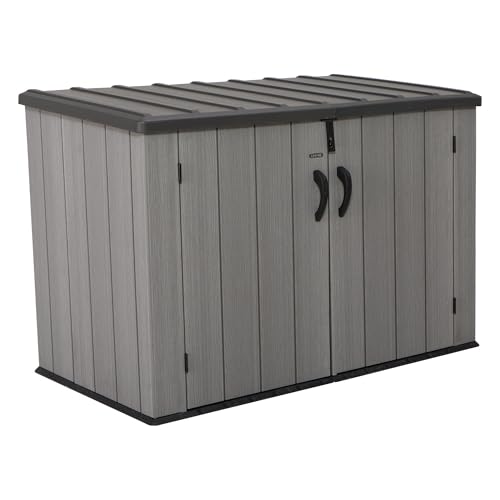
Lifetime Horizontal Outdoor Storage Shed, 75 Cu. Ft. Capacity
Check price on Amazon
Wallmaster Garage Storage Organization Wall Mount Folding Chair Hangers | Heavy Duty Garden Tool Rack Organizer with 6 Adjustable Hooks 48inch Tracks Max Load 450lb
Check price on Amazon
Gavinjitao Garage Organization Storage, Metal Camping Chair Rack Wall Mount | Beach Chair Umbrella Storage Holder with 4 Hooks for Garage Organizer Black
Check price on Amazon
Heavy-Duty Garage Storage Organizer Wall Mount Wheelbarrow, Patio Furniture, Chair & Ladder - 1 Pack
Check price on AmazonStep-by-Step Garage Storage Preparation
Before moving your sofa into the garage, proper preparation is essential. Skipping these steps can lead to mold, rust, or pest problems that develop over the storage period.
Deep Clean First
Remove all dirt, pollen, and debris from the frame and cushions. Use our seasonal deep cleaning guide for material-specific instructions. Never store a dirty sofa — trapped organic matter attracts pests and promotes mold.
Dry Completely
Ensure the sofa and all cushions are 100% dry before storage. Moisture is the #1 enemy of stored furniture. Allow at least 24-48 hours of air drying in a sunny, well-ventilated area. If you're storing in a humid climate, consider using a dehumidifier in the garage.
Disassemble if Possible
Modular sofas and sectionals can be broken down into smaller pieces for more efficient storage. Remove legs if they're detachable. This not only saves space but also reduces stress on joints and connectors. Check our connector bracket guide for safe disassembly tips.
Protect Cushions Separately
Never store cushions on top of the sofa frame. Store them separately in breathable storage bags or containers. For foam cushions, our quick-dry foam guide explains why airflow is critical. Consider a waterproof cover for extra protection.
Elevate from the Floor
Never place your sofa directly on the garage floor. Concrete floors wick moisture and can cause rust, rot, or mold. Use wooden pallets, shelving units, or plastic risers to keep the sofa at least 2-4 inches off the ground.
Use Breathable Covers
Cover the stored sofa with breathable materials like cotton sheets or specialized furniture covers. Avoid plastic tarps, which trap moisture and create a breeding ground for mold. If your garage is dusty, a light cover is sufficient.
Material-Specific Garage Storage Tips
Different outdoor sofa materials require different storage approaches. Here's how to handle each type:
Wood Sofas (Teak, Acacia, Eucalyptus)
Wood is naturally durable but can crack or warp in extreme temperatures. Garage storage is ideal for wooden sofas.
- Apply a fresh coat of protective oil before storage
- Elevate off the floor to prevent moisture wicking
- Keep away from garage doors that let in drafts
- Check our moisture sealing guide for detailed protection
Metal Sofas (Aluminum, Wrought Iron)
Metal frames are generally low-maintenance but can rust if exposed to moisture. Aluminum is rust-proof, but wrought iron is not.
- Inspect for existing rust before storage
- Apply a rust-preventive coating if needed
- Use our rust removal guide for touch-ups
- Store in a dry area away from water sources
Wicker & Rattan Sofas
Natural wicker is vulnerable to moisture and pests. Synthetic rattan is more durable but still benefits from garage storage.
- Clean thoroughly with a soft brush
- Check for cracks or broken strands before storage
- Use our wicker repair guide for any damage
- Store in a dry, pest-free area
Cushions & Fabric
Cushions are the most vulnerable part of any outdoor sofa. Proper storage is critical to prevent mold and mildew.
- Clean and dry completely before storage
- Store in breathable containers or bags
- Add silica gel packets to absorb moisture
- See our mold prevention guide for more tips
Optimizing Your Garage Environment for Sofa Storage
The garage isn't automatically a safe storage environment. Here's how to prepare your garage to protect your outdoor sofa:
| Factor | Recommendation | Why It Matters |
|---|---|---|
| Moisture Control | Use a dehumidifier or moisture absorber | Prevents mold, mildew, and rust on frames |
| Temperature | Maintain above freezing if possible | Prevents cracking in wood and fabric |
| Pest Prevention | Use cedar blocks or pest repellents | Deters mice, spiders, and insects |
| Airflow | Ensure vents are clear; use fans if needed | Prevents moisture buildup and mold |
| Floor Protection | Use pallets, shelves, or risers | Prevents moisture wicking from concrete |
| Sunlight | Keep away from windows | Prevents UV fading of fabric and cushions |
Common Garage Storage Mistakes to Avoid
Even with good intentions, many homeowners make these mistakes when storing outdoor furniture. Avoid them to keep your sofa in top condition:
❌ Storing Dirty Furniture
Dirt and organic matter attract pests and hold moisture. Always clean your sofa before storage. Our deep cleaning guide covers every material type.
❌ Using Plastic Tarps
Plastic traps moisture and prevents airflow, leading to mold and mildew. Use breathable covers instead.
❌ Storing Cushions on the Frame
This compresses the cushions and traps moisture between surfaces. Store cushions separately in a dry, ventilated area.
❌ Skipping Pest Protection
Mice and insects love stored furniture. Use cedar blocks, mothballs (in a separate container), or natural repellents.
❌ Ignoring Existing Damage
Small cracks, rust spots, or loose joints get worse during storage. Repair them first using our DIY repair guide.
❌ Stacking Heavy Items on Top
Never stack heavy boxes or tools on your stored sofa. This can warp frames and crush cushions.
Retrieving Your Sofa: Spring Preparation
When the outdoor season returns, don't just drag your sofa back outside. A proper spring prep ensures it's ready for another season of comfortable lounging. Follow our spring prep guide for a complete checklist.
Start by inspecting the sofa for any damage that may have occurred during storage. Check for:
- Rust spots on metal frames (use our rust removal guide)
- Cracks or warping in wood (see our moisture sealing guide)
- Mold or mildew on cushions (refer to our stain removal guide)
- Loose joints or connectors (check our joint fix guide)
- Pest damage or nests (clean thoroughly before use)
After inspection, clean the sofa again, treat any issues, and allow it to air out before placing cushions back on the frame. If you're considering upgrading your outdoor space, browse our shopping and reviews hub for the latest recommendations.
Ready to protect your outdoor sofa? Explore our recommended storage solutions and outdoor furniture care products above. Investing in proper storage today saves you money on replacements tomorrow.
EXPLORE CARE & MAINTENANCEFinal Thoughts
Garage storage is one of the smartest ways to extend the life of your outdoor sofa. With proper preparation, a well-organized garage environment, and the right protective materials, your patio furniture will emerge from storage looking as good as new. Whether you have a teak sofa, a wicker sectional, or a metal-framed couch, the principles of clean, dry, elevated, and protected storage apply universally.
For more outdoor sofa care advice, browse our care and maintenance hub and keep your investment beautiful for years to come.